The Secret History Of Chicago Salsa
This article originally appeared on the National Public Radio website:
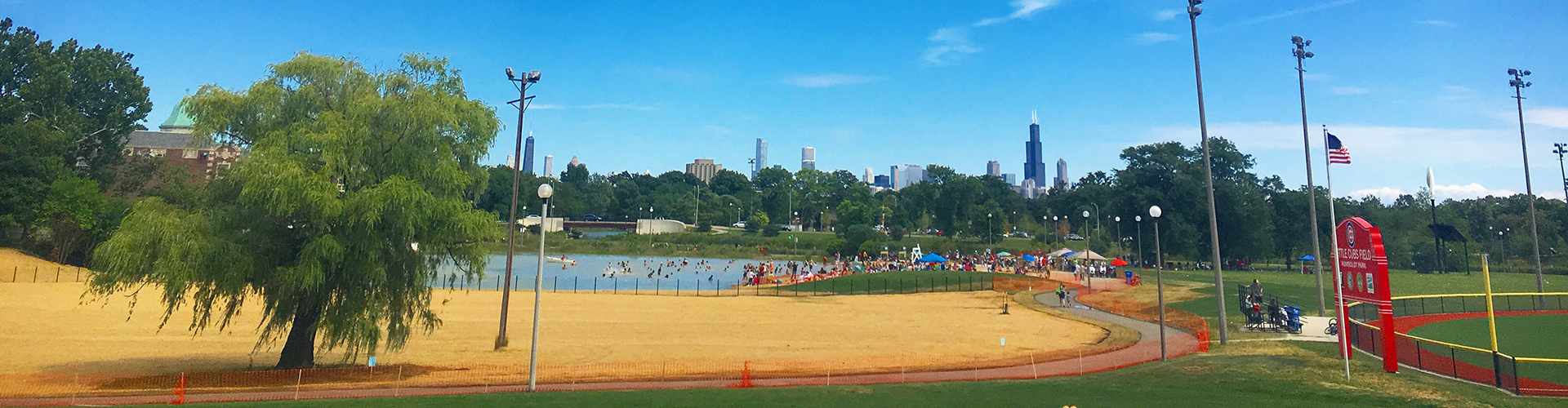
When you think of salsa music in America, the first city that comes to mind is probably New York, or maybe Miami. However, Chicago also boasted a vibrant salsa scene in the 1970s, centered on the northwest neighborhood of Humboldt Park. A new compilation called Cult Cargo: Salsa Boricua de Chicago looks at this hidden part of the city’s music history.
Carlos Ruiz arrived in Chicago from New York in 1950. The Puerto Rican native was a dancer by training and saw a need for a cultural and social venue to bring together the city’s growing immigrant community. So he founded The Puerto Rican Congress of Mutual Aid, originally housed in a basement a few blocks north of the stretch now known as Paseo Boricua — the Puerto Rican Promenade.
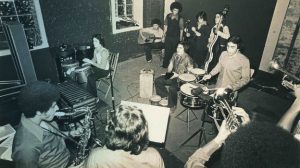
By the late 1960s, the earliest salsa sounds from New York began to reach the Puerto Rican community in Chicago, then the second-biggest in America. Ruiz’s Congress had become a local institution, so it was only natural that when a young band named La Justicia needed a place to play, the musicians approached Ruiz. When Ruiz decided to record some of the bands, Ebirac Records was born. It was one of the few labels anywhere devoted to Chicago salsa.
The U.S. salsa scene was dominated by Puerto Rican musicians. In New York, they drew heavily on Cuban styles such as the guaguanco and son montuno, but in Chicago, the local community turned to Puerto Rican influences, especially folkloric dance rhythms like the plena.
To view the rest of the article visit the National Public Radio Music website here!